LIMITED TIME OFFER: 20% OFF SITEWIDE
Unlocking the Sparkle: A Comprehensive Guide to Understanding Diamond Cut Grading
The cut grading of a diamond is an essential aspect of determining its overall beauty, brilliance, and value. As one of the four Cs (cut, carat, color, and clarity), the cut evaluates a diamond's proportions, symmetry, and polish, all of which play a crucial role in the gemstone's light performance. An expertly cut diamond will exhibit exceptional light reflection, dispersion, and scintillation, creating an unparalleled visual display that captures the essence of the stone. The cut of a diamond significantly impacts its brilliance and fire, or the way it reflects and refracts light. A well-cut diamond will allow light to enter, reflect off its facets, and return to the observer's eye, creating a stunning visual effect. In this guide, we will delve into the intricacies of diamond cut grading, exploring its significance in the world of gemstones and providing valuable insights to help you make an informed decision when selecting the perfect diamond. We will also cover the different parts of a diamond, such as the table, crown, girdle, pavilion, and culet, and their respective roles in determining the cut and overall beauty of a diamond.
The Importance of Diamond Cut: Understanding Shallow, Ideal, and Deep Cuts
The cut is widely considered the most crucial of the 4Cs when it comes to grading a diamond, as it has the most significant impact on the stone's overall appearance and beauty. Even a diamond with perfect color, clarity, and carat weight will appear dull and lifeless if it is poorly cut. A well-cut diamond, on the other hand, will exhibit an incredible amount of brilliance, fire, and scintillation, making it a truly stunning and valuable gemstone.
Diamond cut grading is based on three factors: depth, table, and symmetry. The cut determines how well a diamond interacts with light, and affects the amount of light that enters the stone, how it is refracted, and how it exits. A shallow cut diamond has a larger table and lower depth percentage than an ideal cut diamond, meaning that it will have less fire and brilliance but may appear larger. In contrast, a deep cut diamond has a smaller table and a higher depth percentage, making it less brilliant but with more fire and dispersion. An ideal cut diamond is the most balanced cut, with optimal table and depth percentages, allowing for maximum light performance and fire.

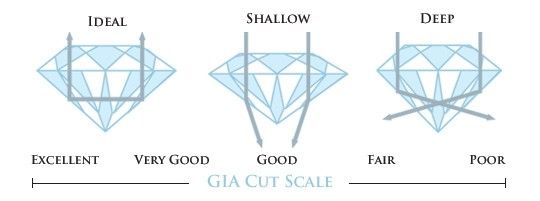
Diamond Cut Grading: Understanding the 6 Different Grades - Ideal to Poor
Understanding diamond cut grading is essential when selecting a diamond. The cut grade determines the quality of the diamond's cut and ultimately affects its overall appearance and value. In this article, we will explore the different cut grades, from Ideal to Poor, and what they mean for the beauty and value of a diamond.
- Ideal: This is the highest cut grade for a diamond, and it is reserved for diamonds that have been cut to precise proportions to maximize brilliance, fire, and scintillation. Diamonds with an ideal cut grade are exceptionally rare and command a premium price.
- Excellent: Diamonds with an excellent cut grade are also cut to very precise proportions, but they may have slight deviations that prevent them from achieving an ideal cut grade. These diamonds still exhibit excellent brilliance, fire, and scintillation, and are a popular choice for engagement rings.
- Very Good: Diamonds with a very good cut grade are cut to near-ideal proportions, but they may have slightly deeper or shallower depth percentages, or slightly larger or smaller table percentages. These diamonds still exhibit a high level of brilliance, fire, and scintillation, and are an excellent value for their price.
- Good: Diamonds with a good cut grade have more significant deviations from ideal proportions, but they still have good symmetry and overall appearance. These diamonds may exhibit less brilliance, fire, and scintillation than higher cut grades, but they are more affordable and still have a pleasing appearance.
- Fair: Diamonds with a fair cut grade have significant deviations from ideal proportions, and they may exhibit noticeable areas of dullness or darkness due to poor light performance. These diamonds are not recommended for purchase unless they have been thoroughly evaluated by a qualified gemologist.
- Poor: Diamonds with a poor cut grade have severe deviations from ideal proportions and exhibit poor light performance, with areas of darkness and dullness. These diamonds should be avoided, as they will not have the desired sparkle and brilliance that make diamonds so desirable.

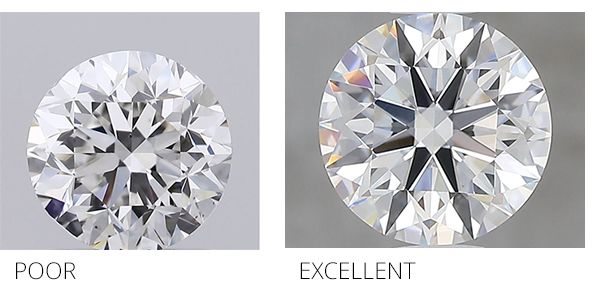
The Significance of Diamond Cut Proportions
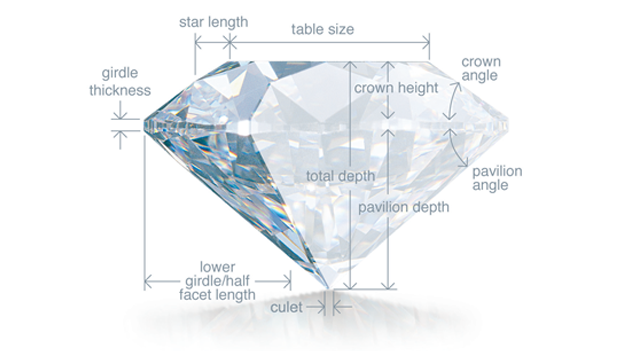
The significance of diamond cut proportions cannot be overstated. The way a diamond is cut is crucial to the amount of light it can reflect, and the proportions of the cut determine the diamond's brilliance, fire, and scintillation. Even a small variation in the angles and dimensions of the cut can have a significant impact on the diamond's performance. The most important aspects of diamond cut proportions are the depth and table percentages, which affect the amount of light that enters and exits the diamond. Additionally, the crown and pavilion angles, as well as the girdle thickness, can also play a role in determining the diamond's beauty and value. It's essential to understand these factors when choosing a diamond, as they can make a significant difference in the overall appearance of the stone.
Understanding the Key Diamond Cut Elements: Depth, Table, and Symmetry
1. Depth: Depth refers to the distance from the table (top flat surface) of the diamond to the culet (bottom point) of the diamond. It is measured as a percentage of the diamond's overall diameter. A depth that is too shallow or too deep can affect the way light reflects within the diamond, impacting its overall brilliance and sparkle.
2. Table: The table is the large, flat facet on the top of the diamond. It is typically the largest facet on the diamond and has a significant impact on how light enters and exits the diamond. A well-proportioned table will allow light to reflect and refract within the diamond, creating a beautiful display of brilliance and fire.
3. Symmetry: Symmetry refers to the alignment and positioning of the diamond's facets. A diamond with good symmetry will have all facets positioned and aligned correctly, creating a uniform and balanced appearance. Poor symmetry can lead to uneven light distribution and a lack of sparkle.
| Shape | Table percentage | Depth Percentage |
|---|---|---|
| Round | 56 - 63% | 58 - 62,3% |
| Princess | 65 - 75% | 65 - 75% |
| Cushion | 61 - 68% | 58 - 68% |
| Emerald | 61 - 68% | 58 - 68% |
| Asscher | 60 - 68% | 60 - 68% |
| Oval | 55 - 63% | 58 - 62% |
| Marquise | 53 - 62% | 58 - 62% |
| Radiant | 61 - 68% | 61 - 68% |
| Pear | 53 - 62% | 58 - 62% |
It's important to note that these are just general recommendations and the optimal proportions may vary depending on the individual stone and personal preference.
The Anatomy of a Diamond: Table, Crown, Girdle, Pavilion, and Culet
Understanding the anatomy of a diamond is crucial when choosing a diamond for an engagement ring or other jewelry. There are five main components of a diamond that affect its beauty, value, and durability: the table, crown, girdle, pavilion, and culet.
- The Table: The table is the flat top facet of the diamond, located at the very top of the stone. It is the largest facet and plays a significant role in the diamond's overall appearance and light performance. The table size affects the diamond's brilliance, and an ideally proportioned table will reflect the most light.
- The Crown: The crown is the upper portion of the diamond between the table and the girdle. It consists of bezel facets and star facets, which are responsible for the diamond's fire and sparkle. The crown height and angle must be well-proportioned to achieve maximum brilliance and fire.
- The Girdle: The girdle is the widest part of the diamond, located where the crown and pavilion meet. It serves as the diamond's perimeter and provides protection against chipping and damage. The girdle's thickness affects the diamond's overall durability and appearance.
- The Pavilion: The pavilion is the lower portion of the diamond, located below the girdle. It consists of main facets and lower girdle facets and is responsible for the diamond's reflection and brilliance. The pavilion depth and angle must be well-proportioned to achieve maximum light performance.
- The Culet: The culet is the small facet at the bottom of the diamond, located below the pavilion. It can be a point or a small facet and serves as a reference point for the diamond's symmetry. A well-proportioned culet will not affect the diamond's appearance or performance.
Understanding these different parts of a diamond can help you make an informed decision when choosing a diamond for your jewelry. It's essential to consider the proportions and symmetry of each component to ensure the diamond's beauty, value, and durability.

The Difference Between Diamond Cut and Diamond Shape
While diamond cut and diamond shape may sound like interchangeable terms, they actually refer to two different aspects of a diamond's appearance. The diamond shape refers to the outline or physical form of the stone, such as round, pear, or cushion. On the other hand, the diamond cut refers to the stone's proportions, symmetry, and polish, which determine its light performance and overall beauty. While the diamond shape is a matter of personal preference, the diamond cut is a crucial factor in determining a diamond's brilliance, fire, and scintillation. Even two diamonds with the same shape can have vastly different cuts, resulting in significantly different visual effects. Understanding the difference between diamond cut and diamond shape can help you make an informed decision when selecting a diamond that perfectly suits your preferences and budget.
More about the different shapes you can read here.
DiamondsByMe: Exceptional Quality and Value in Every Diamond, Including Fancy Shape
At DiamondsByMe, we understand that choosing the perfect diamond can be a daunting task. That's why we've carefully selected only the best diamonds for our customers. We're proud to offer diamonds that meet our strict standards of quality and value, and we ensure that all round diamonds from 0.30 carats and above come with a certificate to guarantee their authenticity and value. Our natural diamonds come with a GIA or HRD certificate, while lab-grown diamonds come with an IGI certificate. We're committed to providing our customers with the best possible diamond-buying experience, which is why we've made sure that all our diamonds are at least Excellent in grading and come with a certification. You can be confident that any diamond you choose from DiamondsByMe will be of the highest quality and meet our strict standards.
When it comes to fancy shapes, such as pear, marquise, or oval, there is no cut grade assigned by gemological labs like GIA, HRD or IGI. This is because these shapes have unique and varied faceting styles, making it challenging to apply the same cut grading system used for round diamonds. However, it is still important to consider the overall appearance and proportions of a fancy shaped diamond when selecting one for your jewelry piece. At DiamondsByMe, our experts hand-select each fancy-shaped diamond to ensure the best combination of brilliance and symmetry, resulting in a breathtaking and unique piece of jewelry.
If you want to more about diamonds, you can click here for:
Diamond Carat weight
Diamond Clarity
Diamond Color